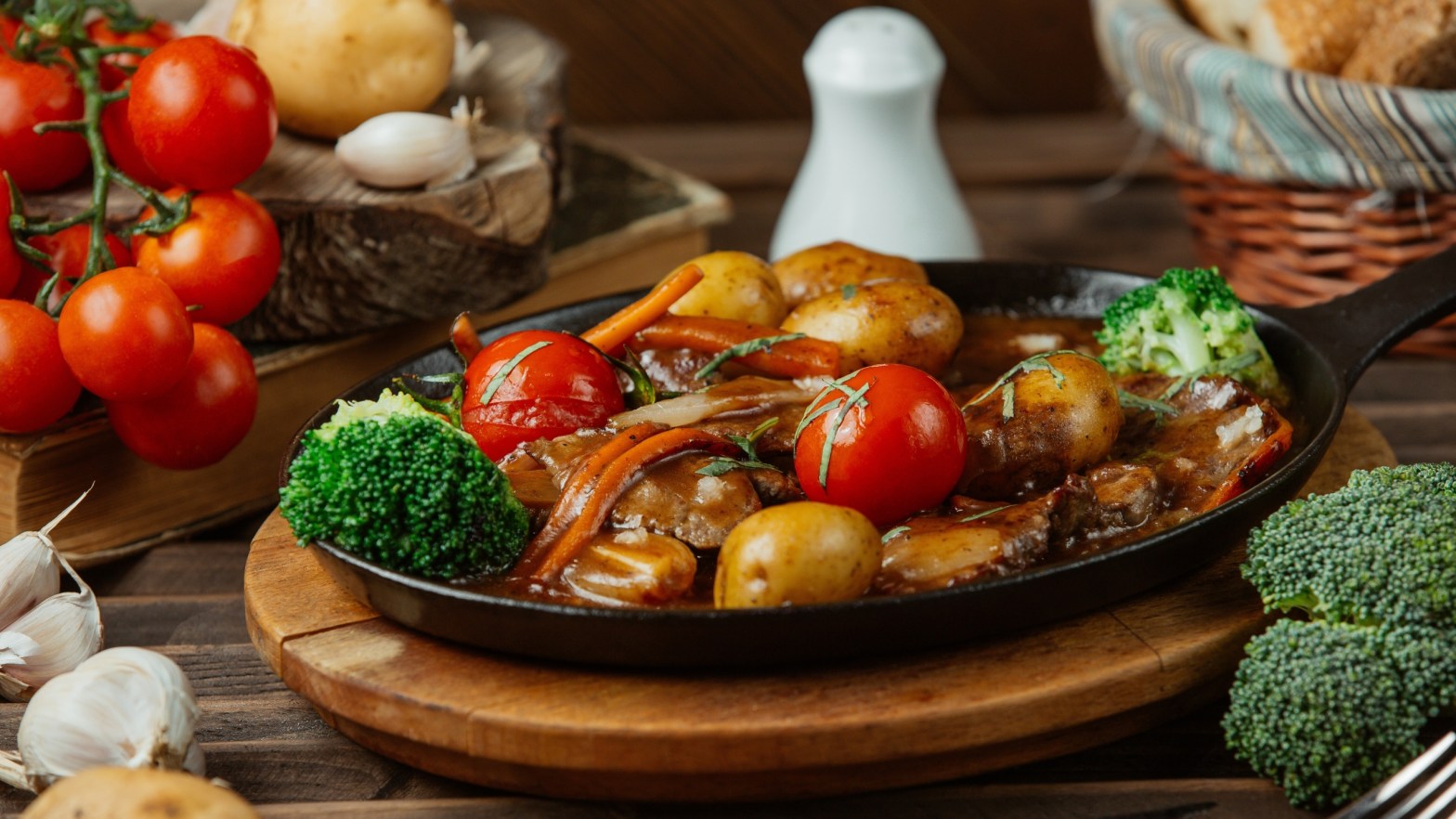
Make sure you are eating a diet rich in antioxidants, fiber and other healthy nutrients, by consuming these 10 superfoods regularly.
Cornflower
Blueberries contain more antioxidants – these super molecules that fight a host of diseases – than the 40 other super healthy foods and fruits that we analyzed at the same time.
The antioxidant pigments that give blueberries its color protect against heart disease, cancer, and age-related blindness and memory loss. Blueberries also contain epicatechins, other antioxidant molecules which, by preventing bacteria from adhering to the walls of the bladder, also play an important role in the prevention of infections of the urinary tract.
How many do you need? 1/2 cup (125 mL) blueberries equals one serving of fruit.
Tip: put a handful of blueberries on your pancakes. Add them only when ready to serve, because cooking destroys vitamin C.
Garlic
Garlic is antibacterial, antifungal, and antiviral. It mainly derives its preventive properties from its sulfur compounds, which act as antioxidants and are useful for the cardiovascular system. It only takes six pods a week to halve the risk of developing colon, stomach and prostate cancer.
How many do you need? Take at least one clove per day, to incorporate in your food.
Tip: chop or crush the garlic clove then let it sit for ten minutes so that it fully unleashes its healing potential.
Olive oil
Olive oil is the source of the healthiest fats around. It is rich in monounsaturated fats, which lower LDL (“bad” cholesterol) and raise HDL (“good” cholesterol). It is also rich in phenols, antioxidants that are thought to protect arterial walls against cholesterol deposits.
How many do you need? Take 1 tablespoon (15 ml) every day.
Tip: Preferably opt for virgin, extra-virgin or cold-pressed olive oil, which is extracted by pressure. To produce light or extra light oils, solvents and heat are used, which destroy the antioxidants.
Broccoli
Think of broccoli as your number one anti-cancer food, especially because of its high content of sulfur compounds, especially sulforaphane, the substance responsible for the characteristic odor it gives off when cooked. These compounds tell genes that they must stimulate the production of enzymes whose role is to detoxify potentially cancerous compounds. By eating more broccoli, you could cut your risk of breast, lung, stomach and colon cancer in half.
How many do you need? 1/2 cup(125 ml) of cooked broccoli is equal to one serving of vegetables.
Tip: To release as much sulforaphane as possible, steam the broccoli for 3 to 4 minutes, or until crisp and tender.
Yogurt
Yogurt contains a large amount of calcium, which is good for your bones, but its greatest benefits come from its probiotics, which are helpful bacteria that stop the growth of harmful bacteria in the gut. Its regular consumption could help relieve inflammatory abdominal disease, ulcers, urinary tract infections and vaginal yeast infections.
How many do you need? ¾ cup (175 mL) of low fat or skim yogurt with live bacterial cultures is equal to one serving of dairy products.
Tip: When breading chicken, pork or fish, replace the eggs intended to moisten the flesh with plain yogurt.
Oats
It is thanks to its richness in beta-glucan, a type of soluble fiber, that oats lower cholesterol and blood pressure. One cup (250 mL) per day of cooked oat bran, 11/2 cup (375 mL) of cooked oats, or three packets of instant oatmeal provide enough beta-glucan to lower about five percent. one hundred the blood cholesterol and ten percent the risk of having a heart attack.
How many do you need? Aim to take in 10g of soluble fiber per day. Cooked oats provide about 2 to 3 g per serving.
Tip: Buy the grade of oats you like and, therefore, will eat. Whether the flakes are instant or not is irrelevant.
Linseed
A tablespoon of flaxseed per day, usually added to yogurt or cereal, provides 2.3 g of fiber, which is often more than the cereal itself. But it is for its lignans that this seed is usually eaten. These substances behave in the body like estrogen, blocking the receptors for this hormone on cells and thus helping to decrease the risk of certain hormone-dependent cancers, such as breast cancer. Thanks to their anti-inflammatory action, lignans may also help relieve conditions like acne and asthma.
How many do you need? Take 1 or 2 tablespoons (15 to 30 ml) every day.
Tip: Get ground seeds or pass them through the mill yourself. Left whole, they pass through the digestive system without being digested, depriving the body of their benefits.
Cinnamon
Cinnamon is one of the most beneficial spices for health. It is best known for its positive effects on blood sugar (blood sugar levels) and, therefore, for diabetics. It can help prevent blood clots from forming and has antibacterial and anti-inflammatory properties. It has been shown to fight E. coli , among other bacteria.
How many do you need? It only takes ¼ to ½ teaspoonful (1 to 2 ml) per day to decrease the level of total cholesterol and triglycerides by 12 to 30%.
Tip: sprinkle cinnamon on your coffee; it’s a great way to take advantage of this spice.
Tea
Tea is a best source of antioxidants around. No fruit or vegetable provides as much.
The antioxidants in tea protect against heart disease, stroke and cancer. Their effect on the heart is thought to be due to the fact that they slow down the degradation of LDL (“bad” cholesterol), thus preventing the formation of blood clots and improving cardiovascular function. The peole who drink one or two cups a day decrease their risk of their arteries dangerously narrowing by 46%.
How many do you need? Take two to five cups a day.
Advice: take your tea especially between meals, the tannins it contains interfering with the absorption of iron from food.
Bean
Beans have a positive effect on the heart because they are rich in soluble fiber, substances that absorb cholesterol, allowing the body to eliminate it before it adheres to the walls of the arteries. It is observed in studies that a diet high in soluble fiber can lower total cholesterol levels by 10 to 15%. In addition, in a recent study, researchers ranked it as one of the best antioxidant foods.
How much does it take? ¾ cup (175 mL) of beans corresponds to one serving of meat or protein equivalents.
Tip: Beans, and other legumes, contain more protein than any other plant-based food, but their protein is incomplete. To get your complete protein, take a grain dish, such as rice, during the day.
 Pro Digi